Thinking about buying home exercise equipment? Before you spend anything, decide what you’ll actually use, how often and where it will go. The best piece of equipment is the one you use three times a week, not the impressive machine that ends up holding laundry. This guide walks through the main types of home exercise equipment, what each is best for, and how to choose.
Key takeaways
- Ask four questions first: Will I use it regularly? Does it fit my goal? Where will it go? What’s my real budget?
- For cardio, pick the activity you enjoy: walking or running (treadmill), low-impact (bike, elliptical), full-body (rower).
- For strength, adjustable dumbbells, resistance bands and a sturdy bench cover most needs in very little space.
- Start small. You can build a very effective home gym for far less than one large machine.
Questions to ask before you buy
- Will I use it regularly? Be honest about your habits and what you enjoy.
- Does it match my goal? Heart health and weight loss point to cardio; muscle and bone strength point to resistance equipment.
- Where will it go? Measure the floor space and ceiling height, and think about noise for neighbours.
- What’s my real budget? Include delivery, assembly, mats and maintenance.
- Can I try it first? Test machines in a store or gym before you buy.
Cardio machines
| Equipment | Best for | Pros | Cons |
|---|---|---|---|
| Treadmill | Walking and running | Familiar movement; incline makes walking harder | Large; higher impact when running; pricier for runners |
| Stationary bike | Low-impact cardio and intervals | Joint-friendly, quiet, compact | Mostly lower body |
| Elliptical / cross-trainer | Low-impact, full-body cardio | Moving handles add upper body; no impact | Bulky; can feel less natural |
| Rowing machine | Full-body cardio and endurance | Works legs, back and arms; low impact; some fold upright | Technique matters; needs length |
| Stair climber / stepper | Tough, short cardio; glutes and legs | High intensity in little time | Hard for beginners; large stepmills |
| Cross-country ski machine | Full-body cardio | Upper and lower body together | Takes practice; fewer models available |
| Jump rope | Cheap, portable cardio | Costs almost nothing; great conditioning | High impact; needs ceiling height |
Strength equipment
| Equipment | Best for | Notes |
|---|---|---|
| Adjustable dumbbells | Nearly every strength exercise | Replace a whole rack in a small footprint |
| Resistance bands | Beginners, travel, rehab, warm-ups | Cheap and light; loops and handled tubes both useful |
| Kettlebell | Swings, squats, carries, conditioning | One or two bells go a long way |
| Adjustable bench | Presses, rows, step-ups | Makes dumbbells far more versatile |
| Pull-up bar | Back and arm strength | Doorframe models need sturdy frames |
| Barbell, plates and rack | Heavy squats, bench and deadlifts | Best for serious lifting; needs space and a floor that can take it |
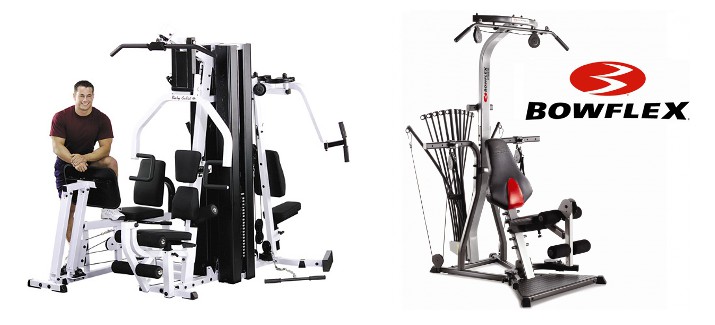
| Multi-station home gym | Cable and machine exercises | Guided movements; large and expensive |
Branded “all-in-one” systems sold on TV can work, but compare them with adjustable dumbbells and a bench, which often do more for less money.
Mobility and recovery
- Exercise mat: for floor work, stretching, yoga and Pilates.
- Foam roller: a cheap way to ease stiffness after training.
- Stability ball: core exercises and a bench substitute for light work.
Three starter setups
| Budget | What to buy | What you can do |
|---|---|---|
| Very low | Mat, resistance bands, jump rope | Full-body strength, cardio, stretching |
| Moderate | Add adjustable dumbbells and a bench | Almost any strength programme |
| Higher | Add one cardio machine you enjoy, such as a bike, rower or treadmill | Complete home training year-round |
Free tool
Workout Generator — tick the equipment you own and get a complete workout built around it, with demo videos.
You don’t need equipment to start
Walking, bodyweight squats, push-ups, lunges, planks and stairs give you a full workout for free. Many people find it easier to buy equipment once they’ve proven the habit for a month or two.
Free tool
No-Equipment Home Workout — a guided follow-along workout with videos that needs nothing but floor space.
Frequently asked questions
What is the best single piece of home exercise equipment?
For most people, adjustable dumbbells, because they cover strength training for every muscle group in very little space. For cardio, choose the machine you’ll enjoy using.
Is it better to buy new or used?
Used cardio machines and weights can be great value. Check that everything works smoothly, look for wear on belts and cables, and avoid anything with a wobbly frame.
How much space do I need?
A 2 × 2 m (6.5 × 6.5 ft) area is enough for dumbbells, a bench and a mat. Treadmills and rowers need more length plus clearance behind them.