
Walk into any gym supplement shop and you’ll find hundreds of products promising bigger muscles and faster recovery. Very few have strong evidence behind them. This guide covers the four most popular bodybuilding supplements (creatine, protein powder, glutamine and nitric oxide boosters), what the research says, how much to take and who should skip them.
Key takeaways
- Supplements only add a small amount on top of training, food and sleep.
- Creatine monohydrate has the strongest evidence: 3–5 g a day.
- Protein powder is just convenient food; useful if you can’t reach your protein target from meals.
- Glutamine has little benefit for healthy people who eat enough protein.
- Nitric oxide boosters: nitrates (beetroot) help endurance a little; citrulline may help slightly; arginine mostly doesn’t.
- Choose third-party tested products (e.g. Informed Sport, NSF Certified for Sport).
| Supplement | Evidence | Typical dose | Main benefit |
|---|---|---|---|
| Creatine monohydrate | Strong | 3–5 g a day | More strength, power and muscle over time |
| Protein powder (whey, casein, plant) | Strong (as a food) | 20–40 g per serving as needed | Helps reach daily protein target |
| Glutamine | Weak for healthy lifters | 5 g a day in studies | Little proven effect on muscle or strength |
| Nitric oxide boosters | Mixed | Beetroot nitrate ~400–500 mg; citrulline 6–8 g | Small endurance or rep benefits for some |
Creatine

Creatine is a compound your muscles use to regenerate ATP, the energy source for short, intense efforts like lifting and sprinting. You get some from meat and fish, but supplementing fills your muscle stores more completely.
- What it does: lets you do slightly more reps or lift slightly more weight, which over weeks adds up to more strength and muscle. It is one of the most studied supplements in sport.
- How to take it: 3–5 g of creatine monohydrate every day, at any time. A loading phase (about 20 g a day split into four doses for 5–7 days) saturates muscles faster but isn’t necessary.
- What to expect: a gain of 1–2 kg (2–4 lb) in the first weeks, mostly water stored in the muscle.
- Safety: well studied and safe for healthy adults at normal doses. People with kidney disease should not take it without medical advice.
Plain creatine monohydrate works as well as expensive “advanced” forms.
Protein powder
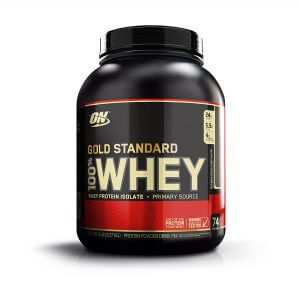
Protein provides the amino acids your body uses to repair and build muscle. Powder isn’t magic; it’s simply a convenient, often cheaper way to get high-quality protein.
- How much protein you need: about 1.6–2.2 g per kg of body weight a day (0.7–1 g per lb) for people trying to build muscle.
- Types: whey (fast-digesting, dairy), casein (slow-digesting, dairy, popular before bed), and plant blends (pea, rice, soy) for vegans or people who avoid dairy.
- When to take it: total daily intake matters most. Spreading 20–40 g across 3–5 meals, including one after training, is a sensible approach.
- Safety: safe for healthy people. Choose a product with third-party testing, as some contain undeclared ingredients.
Free tool
Protein Calculator — find out how much protein you need each day.
Glutamine
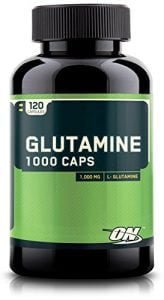
Glutamine is the most abundant amino acid in the body and is used by the gut and immune cells. It is often marketed for muscle recovery and growth.
- What the research says: in healthy people who eat enough protein, glutamine supplements have not been shown to build muscle or strength. Your diet already supplies plenty; protein foods are rich in it.
- Where it may help: in clinical settings such as severe burns, surgery or critical illness, under medical supervision. Some studies suggest a small reduction in soreness, but the evidence is limited.
- Verdict: for most lifters, money is better spent on food.
Nitric oxide boosters
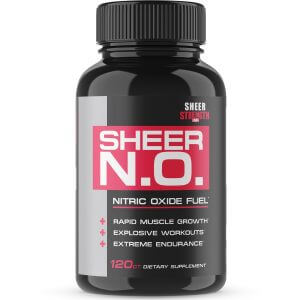
Nitric oxide widens blood vessels (vasodilation), which increases blood flow. “NO boosters” claim to improve the pump, endurance and recovery. The ingredients matter:
- Dietary nitrate (beetroot juice, leafy greens): reasonable evidence for a small improvement in endurance performance, more so in recreational than elite athletes. Typical dose: about 400–500 mg of nitrate 2–3 hours before exercise.
- L-citrulline / citrulline malate: some studies show slightly more reps and less soreness; results are mixed. Typical dose: 6–8 g of citrulline malate before training.
- L-arginine: poorly absorbed when taken by mouth and generally ineffective for performance.
- Caution: many pre-workout products combine these with large amounts of caffeine and other stimulants. Check the label, especially if you are sensitive to caffeine, have high blood pressure or take medication.
Before you buy any supplement
- Get the basics right first: consistent training with progressive overload, enough calories and protein, and 7–9 hours of sleep. These matter far more than any supplement.
- Look for third-party testing: supplements are loosely regulated, and some contain banned or undeclared substances. Certification programs such as Informed Sport or NSF Certified for Sport test products.
- Be wary of proprietary blends that don’t list the dose of each ingredient.
- Talk to your doctor if you have a medical condition, are pregnant or breastfeeding, are under 18, or take medication.
Free tool
Macro Calculator — set your protein, carbohydrate and fat targets for muscle gain.
Frequently asked questions
Do I need supplements to build muscle?
No. You can build plenty of muscle with good training, enough protein and calories, and sleep. Supplements add a small extra benefit at best.
Is creatine a steroid?
No. Creatine is a natural compound found in meat and fish and made by your body. It is not a hormone and is permitted in sport.
Can I take creatine and protein together?
Yes. They work in different ways and can be mixed in the same shake.
Is protein powder bad for your kidneys?
In healthy people, high-protein diets have not been shown to harm the kidneys. People with existing kidney disease should follow their doctor’s advice on protein intake.
Related: beginner bodybuilding workout plan, what is bodybuilding and nutrition tips for men.
This article is for general information and isn’t a substitute for advice from your doctor or another qualified health professional. Check with them before starting a new exercise or eating plan, especially if you have a health condition, are pregnant or take medication.