New to yoga? This complete beginner’s guide covers where yoga comes from, its health benefits, how it compares with the gym, the anatomy behind the poses, the equipment you need, how to avoid injury, ten beginner poses, and the yogic approach to diet and relaxation. Read it straight through or jump to the section you need.
Key takeaways
- Yoga combines postures (asanas), breathing (pranayama) and meditation.
- Regular practice improves flexibility, balance, strength and stress levels.
- You need very little to start: a non-slip mat, comfortable clothes and maybe a block and strap.
- Move slowly, never force a pose, and skip anything that causes sharp pain.
- Ready to practise? Our Yoga Flow Builder makes a guided session with video for every pose.

Yoga is a mental, physical and spiritual practice which originated in ancient India. It includes the deliberate control of the breath or prana in Sanskrit (life force) for spiritual enlightenment, specific meditation to control the mind and performance of various postures or asanas to strengthen the body and retain health and vigour. Yoga nowadays is getting increasingly popular among the masses due to its ability to bestow health and relaxation.
Various perspectives and beliefs came from different religions like Hinduism and Buddhism.
There are 4 essential description about Yoga:
- Yoga also refers to six orthodox schools of Hindu philosophy (darsana);
- Yoga being linked to the words, “hatha-, mantra-, and laya-,” pertains to traditions specializing in certain techniques of yoga;
- Yoga may help in attaining a goal when you practice discipline;
- Yoga has its techniques to control your body and the mind;
Types of Yoga
Free tool
Yoga Style Quiz — not sure which modern style to try? Take the 1-minute quiz.
Yoga in Sanskrit means “to unite” or “to join” in its most literal sense. Yoga is an ancient meditation technique dating back to the 5th and 6th century. There is a broad variety of schools of thought regarding its practices and goals in Buddhism, Hinduism and Jainism.
The four paths of Yoga are Jnana Yoga, Bhakti Yoga, Karma Yoga, and Raja Yoga. These four paths of Yoga are characterized as a whole. The four paths of Yoga work hand in hand.
- Bhakti Yoga: the yoga of devotion and self surrender. This is said to be the simplest and easiest path because we are not asked to do anything but give up all control.
- Karma Yoga: is the yoga of action, in this practice, we practice non-attachment with every deed, word, and thought.
- Raja Yoga: also called Ashtanga yoga is the synthesis of the above two and focuses on controlling the mind in order to bring it into stillness.
- Jnana Yoga: Jnana Yoga is the path of knowledge, wisdom, introspection and contemplation. It involves deep exploration of a human’s personality by systematically exploring and setting aside false identities.
The essence of spirituality, as taught in the four paths of yoga, is to let nature run its course. Aim for living in the moment – and thinking rationally in different situations.
When you learn to accept your shortcomings in your life, that anything you do will not alter its course significantly, you become stronger to accept the life you are living.
You become more drawn towards your life goals, but you also believe that whatever happens has been deemed as the best course of life for you. This directs to a harmony in your internal and external environment, and leads to a contented heart and mind.
Yoga practitioners these days integrate these four paths of yoga, resulting to contentment and a feeling of inner satisfaction. These four paths allow the cleansing of the body and mind, and remove any negative thoughts.
Regular yoga practice improves body balance, flexibility and stamina in our core – a healthy, strong and alert heart.
Health Benefits of Yoga
Asanas are different for different age groups, yet they have one common principle; holding the tension between the muscles. Different muscle groups are focused on different postures, ensuring benefit to all body systems.
- Improved blood flow to the peripheral blood vessels, leading to improved cardiovascular function.
- Exercises of abdominal muscles improve digestion and help to remove body fat.
- Gentle relaxation helps to ease muscle tension, while different postures allow complete joint mobility. This leads to increased strength of joints, and muscle flexibility.
- As yoga is aimed at relaxation of the mind, long term benefits are reduced stress and anxiety, increased stamina and maintenance of composure.
Yoga vs Gym – Which is better?
People aiming to be fit and stay in shape have their options for physical training panned out – join a gym and lift weights or start a regular yoga practice. Both have different aspects of building strength and have different approaches.
While in a gym, the environment is pumped up and active. The special equipment available is excellent for weight loss and building muscle, and you can do cardio exercises as well, leading to quicker weight loss than yoga practice.
However, gym memberships are expensive and you have to take out time, especially to go every single day. Gyms have specific opening and closing times, which may not necessarily coincide with your schedule.
When compared with yoga, Yoga practice would be more favorable if you have odd working hours. Practicing yoga does not require specific timing, and you can do yoga at any time of the day.
You do not require any special equipment nor a large space for practicing Yoga – you do not even need to sign up and pay a high membership fee. You can always join a yoga studio and learn the basics in a week, and can incorporate asanas whenever you like it as you practice yoga in your own home.
You may not lose weight quickly, but you’ll definitely be comfortable with your surroundings, and this is why yoga is favored by the Millennials today.
With odd working hours and living in a metropolis where basic necessities that includes food and residence are expensive, yoga is a cost-effective practice which can keep you fit and promote tranquility and a strong core.
Know your Body
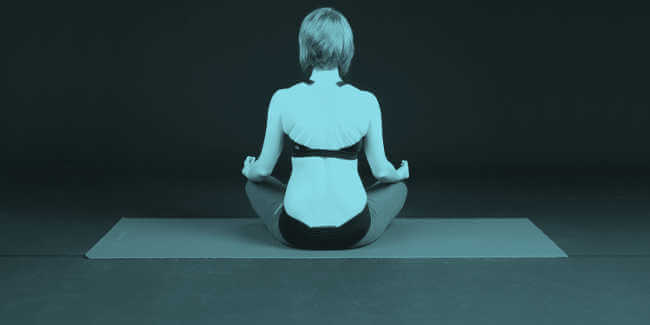
Yoga is a form of meditation uniting the mind and body, and it is important to know the inner workings of the body.
Anatomy is a medical subject dealing with the basic structures of the body. It includes knowledge of the bones, muscles, joints, blood vessels, nerves and organs within the body.
Knowing the anatomy of the body is an added benefit if you are a yogi. It is vital to know which muscles and bones can sustain which type of injuries, which asana targets which muscle compartments and which poses are specific to healing on injuries.
Anatomy of the body is diverse – the body of a human being is not just muscles and bones, but also nerves, blood vessels, joints and organs. Being a yoga instructor does not mean you have to know everything – only the basics needed for yoga. These include major muscles, joints and bones as well the most common movements of the body.
1. Major Bones of the Body
The body has 206 bones, and these are divided into long and short bones. As a yogi in training, you only need to know the major bones of the body, such as those in the legs and arms. It is also important to know the structure of the spine, as it is – quite literally- the backbone of the skeleton. Having knowledge of bones will help aspiring Yoga practitioners to know which asanas are applicable on which anatomical part of the body, and which bones are at risk of injury during yoga practice.
2. Major Muscles of the Body
With the bones, Yoga practitioners also learn the attachment of muscles to the bones. While these may seem daunting, students must remember that muscles are divided into compartments. Each Muscle compartment is associated with a specific anatomical part, for e.g. the quadriceps in the thighs, and the biceps and triceps in the arms. Learning them in conjunction with the movements in asanas will give Yoga practitioners a fair idea of who can benefit from these asanas, such as students with shoulder dislocation problems.
3. Major Joints of the Body
Joints are the structural attachment between bones, and are most prone to injuries during asanas. It is important to know the movement of major joints (primarily the arms and legs), as well their degree of rotation. Joint movements such as flexion, extension and rotation allow Yoga practitioners to determine which movements are safe in particular asanas.
4. Structure of the Spine
This is a key topic of focus for Yoga practitioners in training, as the spine is the support structure of the human skeleton. As most meditation poses involve twisting of the spine, it is important to know the bones, discs as well the nerves which pass through it. Knowledge of the spinal structure can also help you guide students with chronic back problems and injuries.
5. Major Movements of the body
After studying the basic structures, yoga instructors have to know how the body incorporates these structures in basic movements. The basic movements include deep and shallow breathing, stretching or sitting. It is important to know the movements involved in each yoga asana, as one asana may involve multiple movements. Overstretching or prolonged stationary position can lead to strain or sprain in beginner students.
6. Muscles during Yoga Poses
Yoga asanas can either focus on one muscle compartment, or multiple ones at the same time. It is therefore important to know which muscles are being used in various asanas. This aides instructors especially in formulating yoga routines for people who attend private classes for medical ailments.
7. Alignment of the Body during Yoga
All the above pointers are then used to determine the risks during yoga asanas. Risks during yoga asanas implies knowing the kind of injuries associated if an asana is not performed correctly. Knowledge about the joint movements is particularly beneficial in guiding beginner students in avoiding injuries due to overexertion of a singular joint.
Having knowledge of the anatomy of the human body can make you a better yogi and an even better yoga instructor. When you’re a yoga instructor, you will be sought for advice after pregnancies, ankle sprains, hip replacements, spinal deformities and dislocated shoulders and knees.
Knowledge of anatomy will help you reassure these people and guide them towards rehabilitation and a better lifestyle. Even during yoga classes, beginner students are highly likely to twist their foot, fall on their face or pull a muscle or a nerve. If you know basic anatomy, you can quickly assess the problem area and help them temporarily relieve the problem.

Yoga Equipment
Most people have the perception that Yoga needs prepping – that it needs special mats, clothes and specific warm up exercises of the body. Being in the yoga instructors market since many years, we can assure you that all these measures are presumptuous.
The only thing one needs to get into the zone is a big heart and a small ego. Mentally prepare yourself for initial difficulty, as yoga asanas can feel like torture on the muscles.
However, you’ll feel the difference within a week or two, and will be more accepting of your body shape and the challenges you’ll face while working towards a healthy lifestyle.
The biggest advantage of yoga is that it doesn’t require vast spaces or special equipment. You can wear your most comfortable pyjamas, find a secluded corner and you’re set! To ensure comfort during long yoga sessions, place a mat or a soft blanket on the floor.
The clothing to be worn during a yoga workout should be stretchable and sweat tolerant, ideally made of jersey. Thick materials can cause rashes on contact areas due to friction, which may hamper your ability to sit through an asana or the whole session. Other props can be used for support such as a chair or a hard wood block. Make sure to find a well-ventilated spot with plenty of sunlight.
You can also set the ambiance with soothing music, and if you’re doing yoga at night you can light scented candles to set the mood. Yoga is traditionally performed barefoot, but wearing socks is a personal preference. Yoga is ideally performed one to two hours after a full meal – or on an empty stomach.
Yoga is an excellent stress reliever, so it is ideal that you do not strain yourself in the first few days. Different body types take time to adjust to even simple yoga asanas, more so if you haven’t been exercising in the last few months.
Start with easy yoga poses, and take breaks when you feel pain or fatigue. Include breathing and meditation exercises before and after each yoga session. An individual yoga session may not be lengthy, but should be executed daily.

Yoga is an activity not just for the body but is also stimulating for the brain. It caters to a person’s physical as well as psychological well-being. In order to gain maximum benefits from your yoga class, you should follow certain guidelines. It is best to do yoga early in the morning on an empty stomach, but if you have had a liquid, wait for an hour to start yoga.
Yoga terms are coined in the Sanskrit language, and have been adopted to describe yoga concepts without being translated. To understand and follow the instructions of your yoga instructor, you should familiarize yourself with the different terminologies used in yoga.
It will also be a good idea to have a basic knowledge of yoga asanas (Sanskrit for poses). And finally be sure to put on the right clothes for yoga before heading over to your yoga class.
Once in the yoga class, the asanas might come off as intimidating at first, but once you get to know them properly, it will come naturally to you. While in the familiarization phase, don’t hesitate to ask any questions that you might have, the instructors are there to help you so can always ask them for assistance at any stage. Staying focused and concentrating on what is unfolding in the class will help you grasp the concepts better.
After the yoga class is over, the experience doesn’t have to end there. By visualizing the poses you learnt during class, you can enhance your learning process. Once comfortable with the basics of yoga, you can always consult your instructor or guru for variations in yoga poses to find the right mix for you.
Whenever you head for your yoga class, make sure that you have taken care of the prerequisites for doing yoga. Here are some things that you should avoid for your yoga class:
- Yoga is best practiced on an empty stomach, so avoid meals before class.
- Even though it is important to be hydrated before class but your liquid intake an hour prior to the class should also be minimum if not none, if you are parched just take a couple of sips but no more than that.
- Don’t take a shower or drink water for thirty minutes after completing yoga.
- Yoga isn’t advisable during illness or too soon after a surgery.
- Don’t wear socks or shoes while performing yoga.
- Don’t practice yoga in a place that is not airy, well-lit and pleasant smelling.
- Don’t engage in arduous exercise after yoga.

Yoga Injuries
Just like any other physical activity, practicing yoga also comes with a potential of getting an injury. While doing yoga, one should take care not to push our bodies too far and get hurt. Here are a few common injuries that can occur during yoga and a guideline to avoiding these injuries:
• Neck injuries
Neck and shoulder injuries are very common while doing head stands and shoulder stand during yoga. Repeatedly putting incorrect pressure on your neck during these postures poses serious threats. You should learn to properly balance the pressure while doing full inversions. Using props to take pressure off the neck is also helpful. But in case of existing neck and shoulder
issues, one must avoid full inversions altogether.
• Back injuries
Yoga poses like down dog and forward folds require rounding that has a potential to cause back pains. Back injuries are the most frequently occurring injuries during yoga. Learning the right technique to manage pressure on the spine is instrumental in avoiding back injuries. The pressure on back can be lowered by using blocks or blankets while practicing the poses that put pressure on the back and spine discs.
• Ligament tears
Ligaments being less elastic than muscles and tendons, have a tendency to get tears in them when stretched beyond their capacity. To prevent injury to the ligaments overstretching should be avoided. Correct posture should be assumed at all times, keeping the knees in line. You should know when to stop stretching if you feel that you are pushing your body too far.
• Wrist injuries
Managing pressure and body weight to be supported by the wrists can help you avoid wrist injuries. Adjusting the pressure by spreading the hands and adjust their angle with the floor can make all the difference to prevent a wrist injury.
• Dizziness/lightheadedness/imbalance
During yoga, one should always listen to their bodies. If you are experiencing dizziness, lightheadedness, or imbalance during a certain pose, you should immediately discontinue it and let your body relax.
Staying safe and avoiding injuries while practicing yoga is easily manageable. Here are some general guidelines to ensure a safe yoga session:
- Practicing yoga should be avoided in case you are sick or have an injury or have undergone a surgery lately.
- Just like any other exercise, proper warm up is very important for yoga as well.
- If you aren’t clear about something, you should ask a yoga instructor or doctor.
- Always listen to your body and don’t push it beyond its capacity, know when to stop.
- Find your balance and work on improving your stability more than your flexibility.

Beginners’ Yoga Asanas
Yoga practice requires building up of strength and flexibility before proceeding to advanced asanas. All Yoga practitioners teach basic asanas initially, which can be incorporated into a yoga routine as well.
The standing poses of yoga specifically target the quadriceps muscles, increasing their tone and strength. Asanas like the warrior poses and the triangle poses require you to align your knee in relation to ground, and that is key to avoiding any misalignment.
• Warrior Pose – the front leg is bent and the back leg is straight. The muscle is isolated by plating the knee vertically on the ground, while the inner heel remains firmly on the ground as well.

• Straight legged pose – the Trikonasana, both the legs are kept straight. Bend your right knee slightly, and align the knee, heel and hip as in the warrior pose. If the alignment is correct, the knee cap will protrude slightly from your extended leg.

Other poses which not only improve your posture but also target specific muscle groups include:
• Mountain Pose – This is technically the correct way to stand upright – shoulders squared and tummy in. Adjust your back so that your chest opens outward, while your shoulder blades are closer to each other.

• Upward facing dog pose – With your toes and knees giving you support, raise your abdomen and torso and put pressure on your palms on the floor. Push your chest outward and fully extend your neck upwards. Close your eyes and take deep breaths. This pose is very rejuvenating as it allows the lungs and chest to expand. The posture of your body will improve significantly, and any fatigue will also be washed off

• Child Pose – Sitting on the mat with your knees flexed, bend forward and place your head on a raised block. Place your palms on the floor and close your eyes. Child Pose is a resting pose, and it also compresses the abdomen and stimulates peristalsis. It also imparts a sense of relief and improves breathing.

• All-Direction Back Stretch – An effective stretch to improve body posture, strengthen back muscles, lengthen the spine, and relax the tired back.

• Cobra Pose – It helps open up the chest area and shoulders; also strengthens the back.

• Cat Stretch – Another good posture for the spine that helps make it more flexible.

• Chair Pose – An excellent posture for lower back hips and knees. It relaxes and warms up the knees and hip bones.

• Corpse Pose – Lie on your back with a block under your head. Close your eyes and move your head from side to side. This asana helps to relax the muscles and regulate eye movements.


Warm up and Yoga Routines
Free tool
Warm-Up Generator — a quick warm-up before you start your poses.
Any exercise requires warm up prior to performance. This is because the muscles need to adjust to the excessive stretching undertaken in asanas, and therefore require minor stretching to set things in motion.
Your first yoga session is designed to reduce any anxiety or fear of fatigue, and so inculcates simple exercises to get you started. These include:
- Warm-up exercises: for the shoulder muscles, spine and groin.
- Standing poses: for the feet and body posture.
- Sitting poses: to shape your buttocks and legs.
- Twists: to facilitate the flow of blood to muscle compartments
- Supine and Prone Poses: to ease the tension in abdomen and back muscles.
- Finishing poses: Cooling down exercises towards the end of a session.
Yoga focuses on uniting mind, body and spirituality at the core. Breathing exercises in yoga are one of the key elements, and yogic breathing is different from regular breathing. Yogic breathing focuses on depth of breath rather than frequency, and can be practiced in the given steps.
- Sit comfortably in a chair.
- Close your eyes and imagine a swan gliding across a lake.
- Like the swan has gentle movements as it glides, let your breath take the swan’s place. Gently inhale, hold your breath for as long as you can, then exhale. Use both your mouth and nose to breathe deeply.
- Continue this in a cycle for 20 minutes.
After 20 minutes, you’ll feel positive and energized. Breathing also sets the pace for yoga routine. Warm up is necessary to avoid injury to the body, and involves a basic routine or sequence of asanas to flex muscles. 
Remember, the key is to get the muscles going and prevent any stiffness and ache while practicing asanas. A sample warm up routine is presented in the picture above as a guide for newbies. Pre yoga warm up should not exceed more than 15 minutes and you can incorporate basic asanas for standing, meditation, back and spinal stability in your warm up as well.

Restorative Yoga
Free tool
Meditation Timer — a gentle timer with interval bells for relaxation and Yoga Nidra.
With long working hours and living in the city, our minds can have a burnout.
There are days when you’ll wake up and think of giving it all up and buying a cabin in the woods where you wish you could sleep without worry of money or food. In those burn out phases, nothing feels right.
Combine the stress of work with the trend of takeout in the city, and we now see more and more people complain of chronic medical problems at a very young age.
Psychiatric problems such as anxiety, depression, insomnia and eating disorders are increasing in incidence, alongside other problems such as hypertension, migraines, ulcers and dependency on alcohol and recreational substances.
All of these medical problems have one core source: stress.
 People today need to eliminate stress from their lives, or reduce it to a tolerable level. Some people take up exercise such as running or jogging, some people go on a vacation at every burn out, while some take up other hobbies such as baking, reading or knitting.
Regular yoga practice allows a person to take out time for meditation – free their mind from daily worries. Restorative yoga aims to eliminate stress with minimal work by the individual and without putting them through the stress of complex asanas. Restorative yoga aims to calm down the mind, by making the body accept a state of rest.
Most people have trouble putting their mind at ease – and that is where restorative yoga comes into place. With simple asanas with or without the use of props, the body adopts a state of rest – and the yogi can close their eyes, take deep breaths and make the mind rest as well.
The only major obstacle people encounter with restorative yoga is staying still for 30 minutes – we’ve become a restless folk in the last few decades.
A lot of people ask – how do we know Restorative Yoga works?
People can sit in a position for 30 minutes and it wouldn’t make a difference.
The key is to stop the mind from buzzing, and relax from within. How do you know your session of Restorative Yoga worked? Notice how deeply you sleep that night and notice the difference in your mood and outlook on your forthcoming day.
A well-rested mind is a positive mind, and you will actually look forward to your day at work – no matter how boring it is!

Yoga Diet and Yoga Nidra
Yoga is a natural medicine that cures what is incurable. It is a practice of physical and mental stability and good health. The only way to keep yourself healthy in this polluted world is to take care of your spiritual and physical health.
Yogic food types


A list of sattvic, rajasic and tamasic food items
Sattvic:cereals, honey, herbs, sprouts, seeds, nuts, legumes, butter, milk, fresh fruits and vegetables, fresh juices, and whole meal bread
Rajasic:chocolate, salt, eggs, fish, tea and coffee, sharp spices
Tamasic:meat, alcohol, tobacco, onions, garlic, fermented foods and over ripe foods
Yoga and yoga diet serve this purpose of improvement in your external health as well as your internal peace. You are what you eat; that’s why eating habits are of vital importance for a healthy lifestyle.
Yoga practitioners are encouraged to follow a Sattvic diet comprising of fresh and organic foods like vegetables, fruits, milk, etc. The closer you are to nature, the healthier your body becomes. By eating such healthy and close to nature foods, your health improves externally and internally as well. Eating healthy food not only improves the digestion process, but it also gives a glow to your skin and many other health benefits. Internally it brings peace and harmony among different organs. A peaceful state of mind makes a person more productive and creative.
Yoga diet promotes consumption of vegetarian foods. Meat is usually not allowed because of the high calories it contains. Meat increases heart rate and causes restlessness in the mind and body. Yoga diet brings a balance of proteins, vitamins, calcium and other different nutrients that your body needs to function. Your body needs love and care for working properly, and it can only happen by having a healthy diet.
Yoga Nidra
Yoga Nidra is the most efficient way for relaxation after a yoga session. It cools down the body temperature and flushes out toxins from the body. Our organs need time to absorb the effects of yoga postures, and yoga Nidra is the best way to relax the muscles. It is just like a restart button of a human body after a yoga practice.
Steps to do a Yoga Nidra
- To begin, lie down straight on your back without stretching your hands or feet. Relax and take slow breaths. Close your eyes and imagine a peaceful environment surrounding you.
- Gently bring your attention to one of your legs. Beginning with the right leg is mostly preferred. Keep your focus on your right foot, then calf, thigh and then start with the other leg. While maintaining your focus on any part, relax the other parts and stay in this position for a few minutes.
- In the same way, move your attention to all the parts of your body. Your stomach, your genitals, then hands, shoulders, and neck till the head. Slowly move your attention to all parts of the body. Do not forget to breathe slowly and not heavily.
- Take a long and deep breath relaxing your muscles and remain still in this position for a few minutes.
- Now slowly turn your body to the right side and keep yourself in this posture for a few moments.
- Then turn to your left and perform the same way.
- While breathing slowly, open your eyes and feel the environment around you. You can take your own time in performing the yoga Nidra.
Yoga Nidra is a state between wakefulness and unconsciousness. It is the perfect way to meditate and freshen up your mind for a peaceful and healthy state.
Free tool
Yoga Flow Builder — turn these poses into a guided session with pose videos and a timer.
Frequently asked questions
How often should beginners do yoga?
Two or three sessions a week of 20–30 minutes is a great start. Short daily practice of 10 minutes also works well.
Can I learn yoga at home?
Yes. Start with simple poses such as Mountain, Child’s pose, Cat-Cow and Cobra, and use a guided session or video. A class or two with a teacher helps you check your form.
Is yoga enough exercise on its own?
Yoga builds flexibility, balance and some strength. For full fitness, add some cardio (like brisk walking) and, ideally, strength training.
Should I eat before yoga?
Avoid a big meal for 2–3 hours beforehand. A light snack an hour before is fine.
Related: types of yoga, yoga for health and Kundalini yoga.
This article is for general information and isn’t a substitute for advice from your doctor or another qualified health professional. Check with them before starting a new exercise or eating plan, especially if you have a health condition, are pregnant or take medication.