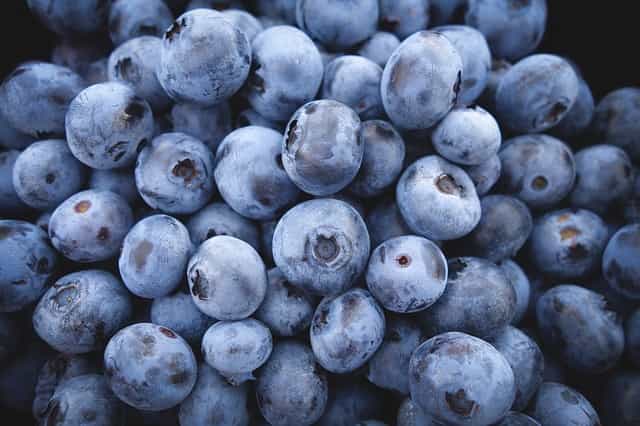
Your immune system needs a steady supply of protein, vitamins and minerals to make and run its cells. A shortfall in any of them can weaken your defences, while a varied diet keeps them topped up. Below are the nutrients that matter most for immunity, the foods richest in each, and a simple day of eating that covers them all.
Key takeaways
- Key immune nutrients: protein, vitamins A, C, D and E, zinc, selenium, iron and folate.
- Gut health matters: fibre and fermented foods feed the bacteria that help regulate immunity.
- A colourful, varied diet covers almost everything; vitamin D is the one many people need to supplement in winter.
- Too much sugar and alcohol, and too few vegetables, work against you.
Nutrients that support immunity, and where to find them
| Nutrient | What it does | Best food sources |
|---|---|---|
| Protein | Builds antibodies and immune cells | Fish, poultry, eggs, dairy, beans, lentils, tofu |
| Vitamin C | Supports white blood cells; antioxidant | Kiwi, peppers, citrus, strawberries, broccoli |
| Vitamin A | Maintains skin and mucous membranes that block germs | Sweet potato, carrots, spinach, eggs, liver |
| Vitamin D | Helps regulate immune responses | Oily fish, eggs, fortified milk and cereals, sunlight |
| Vitamin E | Antioxidant that protects cell membranes | Almonds, sunflower seeds, peanuts, spinach, olive oil |
| Zinc | Needed to develop and activate immune cells | Oysters, red meat, poultry, pumpkin seeds, chickpeas |
| Selenium | Antioxidant enzymes | Brazil nuts (1–2 a day is plenty), fish, eggs |
| Iron | Immune cell growth | Red meat, lentils, beans, spinach, fortified cereals |
| Folate and B6 | Making new cells, including immune cells | Leafy greens, beans, chickpeas, bananas, poultry |
| Fibre and probiotics | Feed healthy gut bacteria | Oats, beans, vegetables, yogurt, kefir, sauerkraut, kimchi |
Top foods for a healthy immune system
Citrus fruits, kiwi and red peppers
Rich in vitamin C. One kiwi or half a red pepper provides most of an adult’s daily needs. Note: grapefruit and its juice can interact with some medicines, so check with your pharmacist if you take regular medication.
Leafy greens and broccoli
Spinach, kale and broccoli supply vitamins A, C and E, folate and fibre. Light cooking keeps more of their vitamin C.
Yogurt, kefir and fermented foods
Live cultures support a healthy gut microbiome, which plays a large part in immune regulation. Choose plain versions to avoid added sugar.
Garlic, onions and ginger
These add flavour and contain compounds with antimicrobial and anti-inflammatory effects in lab studies. Evidence in people is limited, but they’re a healthy way to season food.
Nuts and seeds
Almonds and sunflower seeds for vitamin E, pumpkin seeds for zinc, and one or two Brazil nuts for selenium.
Oily fish and eggs
Two of the few natural food sources of vitamin D, plus high-quality protein and, in fish, omega-3 fats that help regulate inflammation.
Beans, lentils and chickpeas
Protein, zinc, iron, folate and lots of fibre for your gut bacteria, all at very low cost.
Green tea
Contains catechins, a type of antioxidant, and makes a good swap for sugary drinks.
A sample immune-friendly day
| Meal | Example |
|---|---|
| Breakfast | Porridge oats with plain yogurt, kiwi and pumpkin seeds |
| Lunch | Lentil and vegetable soup, wholegrain bread, an orange |
| Snack | A small handful of almonds and a Brazil nut; green tea |
| Dinner | Baked salmon, sweet potato, steamed broccoli and spinach with garlic |
| Dessert | Berries with a spoonful of kefir or yogurt |
What to limit
- Alcohol: heavy drinking impairs immune cells and the gut barrier.
- Added sugar and ultra-processed foods: they crowd out nutrient-rich food and may encourage inflammation.
- Very low-calorie diets: severe restriction can leave you short of protein and micronutrients.
Free tool
Protein Calculator — check you’re eating enough protein to support recovery and immunity.
Free tool
Fiber Intake Calculator — find your daily fibre target for gut health.
Frequently asked questions
Should I take vitamin supplements for immunity?
If you eat a varied diet, most aren’t needed. Vitamin D is the exception for many people in autumn and winter. Ask your doctor before taking high doses of anything.
Does chicken soup really help a cold?
It won’t cure one, but warm fluids help with hydration and congestion, and it provides protein and vegetables when your appetite is low.
Can food cure an infection?
No. Good nutrition helps your immune system work as it should, but it doesn’t replace medical care for an infection.
Related: how to strengthen your immune system, how the immune system works, inflammation and superfoods.
This article is for general information and isn’t a substitute for advice from your doctor or another qualified health professional. Check with them before starting a new exercise or eating plan, especially if you have a health condition, are pregnant or take medication.