“Superfood” is a marketing term, not a scientific one. No single food will transform your health. But some foods pack an unusually high amount of fibre, vitamins, minerals, healthy fats or protein for their calories, and eating more of them makes a real difference over time. Here are 25 of the best, grouped by type, with what each one offers and easy ways to eat it.
Key takeaways
- There is no official definition of a superfood; it usually means a nutrient-dense whole food.
- Variety beats any single food. Aim for many colours of fruit and vegetables each week.
- Beans, oats, berries, leafy greens, oily fish, nuts and yogurt are cheap, easy and well studied.
- Expensive powders and exotic berries offer little that ordinary produce doesn’t.
Vegetables
| Food | Why it stands out | Easy ways to eat it |
|---|---|---|
| Spinach and kale | Vitamin K, folate, vitamin A, fibre, nitrates | Smoothies, omelettes, stir-fries, salads |
| Broccoli | Vitamin C, fibre, sulforaphane | Roasted, steamed, in pasta |
| Sweet potatoes | Beta-carotene (vitamin A), fibre, potassium | Baked, mashed, roasted wedges |
| Tomatoes | Lycopene (better absorbed when cooked), vitamin C | Sauces, soups, salads |
| Beetroot | Nitrates that support blood flow and endurance | Roasted, grated into salads, juice |
| Garlic and onions | Prebiotic fibre and sulfur compounds | In almost any savoury dish |
Fruit
| Food | Why it stands out | Easy ways to eat it |
|---|---|---|
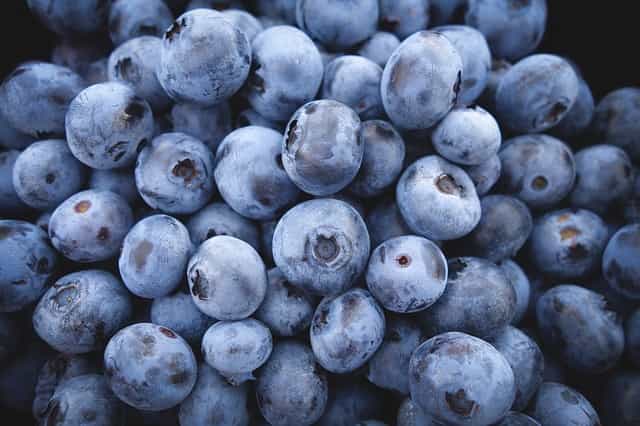
| Berries (blueberries, strawberries, raspberries) | Fibre, vitamin C, anthocyanins; low in sugar for a fruit | On oats or yogurt; frozen work just as well |
| Apples | Fibre (pectin), very filling for few calories | Whole as a snack, sliced with nut butter |
| Citrus and kiwi | Vitamin C (one kiwi has more than an orange) | Snacks, salads |
| Avocado | Monounsaturated fat, fibre, potassium | Toast, salads, guacamole |
| Bananas | Potassium, quick carbohydrate for exercise | Pre-workout snack, smoothies |
Whole grains, beans and lentils
| Food | Why it stands out | Easy ways to eat it |
|---|---|---|
| Oats | Beta-glucan fibre that helps lower cholesterol | Porridge, overnight oats, in baking |
| Beans, chickpeas and lentils | Protein, fibre, iron, folate; very cheap | Soups, chilli, curries, hummus, salads |
| Quinoa | Complete plant protein, fibre, magnesium | Instead of rice, in salads |
| Barley and brown rice | Fibre and B vitamins | Soups, grain bowls |
Protein foods
| Food | Why it stands out | Easy ways to eat it |
|---|---|---|
| Oily fish (salmon, sardines, mackerel) | Omega-3 fats, vitamin D, protein | Twice a week, baked or tinned |
| Eggs | High-quality protein, choline, vitamin B12 | Breakfast, salads, snacks |
| Greek yogurt and kefir | Protein, calcium, probiotics | Breakfast, dips, smoothies |
| Tofu, tempeh and edamame | Complete plant protein, calcium (if calcium-set) | Stir-fries, snacks |
Nuts, seeds and extras
| Food | Why it stands out | Easy ways to eat it |
|---|---|---|
| Almonds and walnuts | Healthy fats, vitamin E; walnuts provide plant omega-3 | A small handful as a snack |
| Chia, flax and pumpkin seeds | Fibre, omega-3 (chia, flax), zinc and magnesium (pumpkin) | Sprinkle on oats, yogurt, salads |
| Extra virgin olive oil | Monounsaturated fat and polyphenols | Cooking and dressings |
| Green tea | Catechins (antioxidants) | Instead of sugary drinks |
| Dark chocolate (70%+) | Flavanols; still high in calories | A square or two as a treat |
| Herbs and spices (turmeric, ginger, cinnamon) | Flavour without salt or sugar | Curries, teas, porridge |
How to build superfoods into your week
- Half your plate vegetables at lunch and dinner.
- Swap refined grains for whole ones: oats for sugary cereal, brown rice or quinoa for white rice.
- Add a legume a day: beans in chilli, lentils in soup, hummus with vegetables.
- Eat oily fish twice a week or, if you don’t eat fish, include walnuts, flax and chia.
- Keep frozen berries and vegetables on hand. They’re as nutritious as fresh and cheaper.
Free tool
Fiber Intake Calculator — most people eat far less fibre than they need. Check your target.
Free tool
Macro Calculator — see how much protein, carbohydrate and fat to eat for your goal.
Frequently asked questions
Are superfood powders worth it?
Usually not. Powders and supplements are expensive and lack the fibre and variety of whole foods. Spend the money on fruit, vegetables and beans instead.
Are frozen fruits and vegetables as healthy as fresh?
Yes. They are frozen soon after picking, so they keep most of their nutrients, and they’re often cheaper and waste less.
Can superfoods help me lose weight?
Not directly, but many are high in fibre or protein, which helps you feel full on fewer calories.
Related: antioxidants, healthy foods, power foods for muscle and is bone broth a superfood?
This article is for general information and isn’t a substitute for advice from your doctor or another qualified health professional. Check with them before starting a new exercise or eating plan, especially if you have a health condition, are pregnant or take medication.