You do not need a studio, a teacher or an hour of free time to practise yoga. Ten quiet minutes on your living room floor is enough to start. It can stretch stiff muscles, slow your breathing and give your mind a short break.
The hard part is not the poses. It is setting things up so that rolling out your mat feels easy, even on a busy morning. This guide covers the space, the kit, the timing, a ready-made 10-minute sequence and the habits that help people keep going. For the bigger picture on styles, breathing and safety, start with our yoga for beginners guide.
Key points
- A space the length of a mat with room to stretch your arms is all you need.
- Pick one regular time of day and link your practice to a habit you already have.
- Ten minutes of gentle, steady poses done most days beats one long session a week.
- Move slowly, keep breathing and back off at any sharp or pinching pain.
- Repeat the same short sequence for two weeks before you change it.
Set Up a Small Yoga Space
Look for a patch of floor about the size of a single bed. You want enough room to lie flat and to reach your arms out to the sides without hitting furniture. A bedroom corner, a hallway or the space behind a sofa can all work.
The floor matters more than the view. A firm, level surface is best, and a rug on its own can slide. Move anything sharp or breakable out of the way. Keep the room warm enough that you do not feel chilly when you lie still at the end.
What you need
- A mat. A basic non-slip mat is fine. Thicker mats feel kinder on knees, while thinner ones give a steadier base for balance poses.
- Something to sit on. A firm cushion or a folded blanket raises your hips and makes seated poses more comfortable.
- Simple props. Two thick books can stand in for yoga blocks, and a belt or scarf helps you reach your feet.
- A wall or sturdy chair. Both are handy for balance when you start adding standing poses.
- Comfortable clothes. Wear anything that lets you bend and twist. Bare feet grip the mat best.
If you can, leave the mat rolled out or propped in plain sight. Seeing it is a quiet reminder, and it removes one small step between you and starting.
Pick a Time That Fits Your Day
There is no single best time for yoga. The best time is the one you can repeat. Each part of the day has a slightly different feel, so choose the one that suits your routine and your body.
| Time of day | Why people like it | What to watch |
|---|---|---|
| Morning | Done before the day gets busy; helps you feel awake | Joints are often stiffer, so start slowly |
| Lunch break | Breaks up long periods of sitting | Practise before you eat, not straight after |
| Early evening | Muscles are warmer and tension from the day is easy to notice | Easy to skip if the evening gets full |
| Before bed | Slow poses and long breaths can feel calming | Keep it gentle and skip anything that energises you |
Try to wait about two hours after a large meal. A light snack an hour or so before is usually fine. If you practise first thing, a glass of water beforehand can help you feel less sluggish.
A Simple 10-Minute Home Yoga Sequence
This sequence stays on the floor, so you do not need to worry about balance. It moves your spine in every direction, opens your hips and ends with a short rest. Set a quiet timer, or simply count slow breaths.
| Pose | Time | Focus |
|---|---|---|
| 1. Easy seated breathing | 1 minute | Settle in and slow down |
| 2. Cat-Cow | 1 minute | Warm up the spine |
| 3. Child’s Pose | 1 minute | Rest the back and hips |
| 4. Low Lunge | 45 seconds each side | Front of the hips and thighs |
| 5. Sphinx | 1 minute | Gentle backbend |
| 6. Bridge Pose | 1 minute (slow lifts) | Glutes and back of the legs |
| 7. Supine Twist | 45 seconds each side | Lower back and sides |
| 8. Resting on your back | 2 minutes | Relax and notice how you feel |
- Sit and breathe. Sit cross-legged on a cushion with your back tall. Breathe in and out through your nose, letting each breath get a little longer.
- Cat-Cow. Come onto your hands and knees. As you breathe in, let your belly drop and look slightly forward. As you breathe out, round your back and tuck your chin.
- Child’s Pose. Sit your hips back towards your heels and rest your forehead on the mat or a cushion. Let your arms lie forward or by your sides.
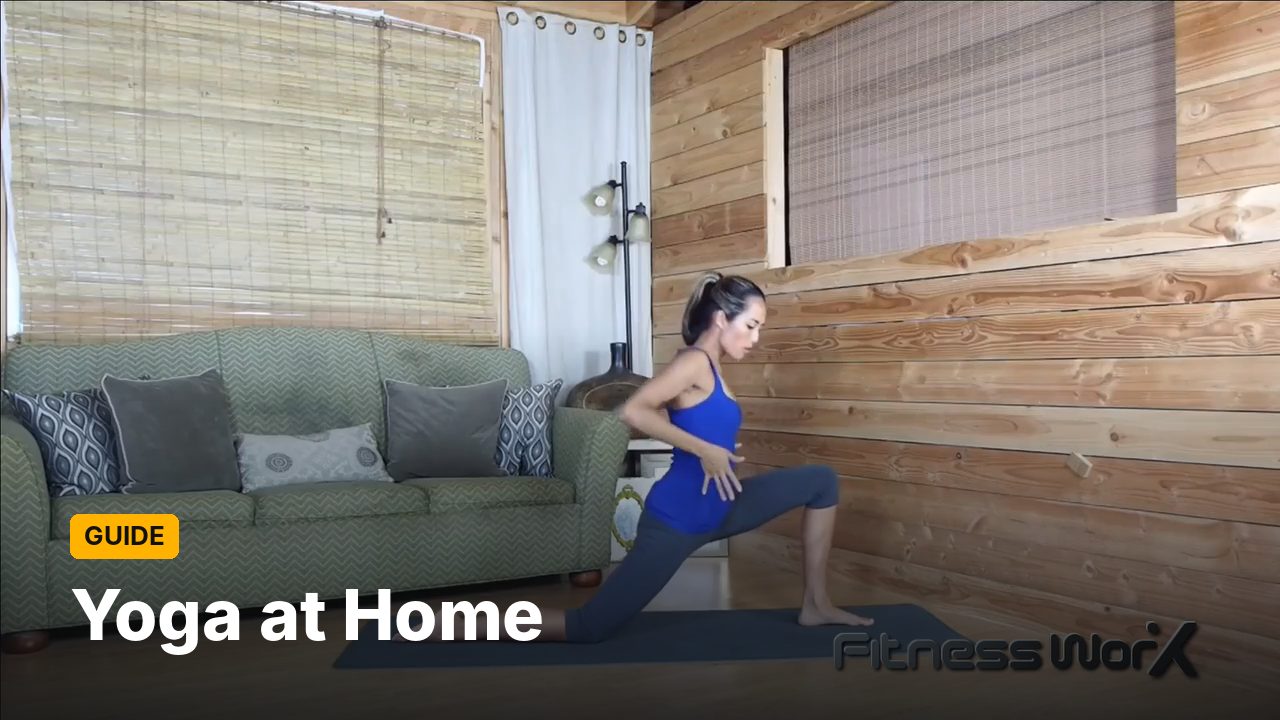
- Low Lunge. From hands and knees, step your right foot between your hands. Keep the front knee over the ankle and ease your hips forward a little. Switch sides.
- Sphinx. Lie on your front with your elbows under your shoulders. Press your forearms down and lift your chest gently, keeping your neck long.
- Bridge Pose. Roll onto your back with knees bent and feet flat. Lift your hips as you breathe in and lower as you breathe out, slowly, several times.
- Supine Twist. Hug your knees in, then let them drop to one side with your arms out wide. Stay for a few breaths and change sides.
- Rest. Stretch out your legs, let your arms rest by your sides and close your eyes. Stay still for two minutes before you roll to one side and sit up.
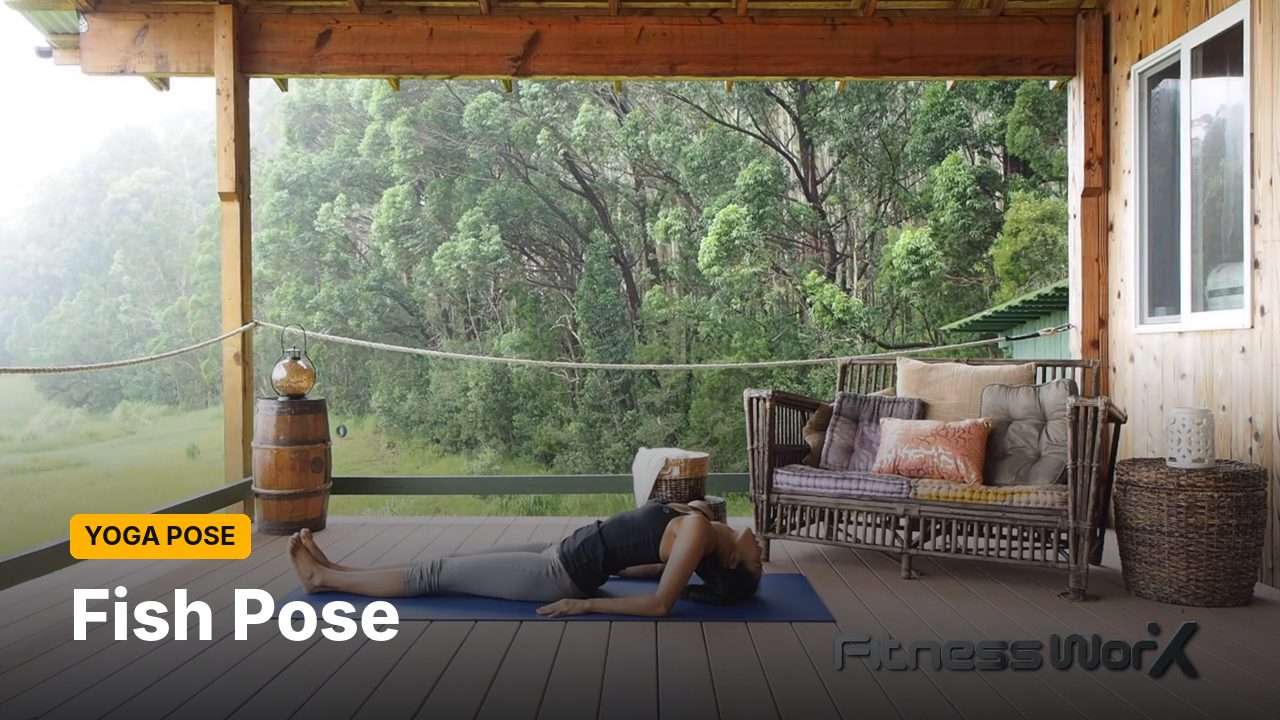
Once this feels familiar, you can swap in new poses. Our Yoga Pose Finder helps you find new poses to try. Our guide to fish pose is a good next step for opening the chest.
How to Keep Going
Most people do not stop because yoga is too hard. They stop because life gets busy and the habit never quite forms. A few small tricks make a big difference.
- Link it to something you already do. Roll out your mat right after your morning coffee or straight after you change out of work clothes.
- Keep a two-minute minimum. On a hard day, do one minute of breathing and one minute of Child’s Pose. Showing up keeps the habit alive.
- Repeat before you change. Use the same sequence for two weeks. Familiar poses take less thinking, so starting feels easier.
- Track your days. A tick on a calendar or in our Healthy Habit Tracker shows your progress at a glance.
- Forget the perfect streak. If you miss a day, just practise the next one. Missing two days in a row is the point to pay attention.
Staying Safe Without a Teacher
At home, nobody is there to check your position, so let comfort guide you. A stretch should feel like mild tension, never sharp, burning or pinching pain. Keep breathing smoothly through every pose. If you notice you are holding your breath, ease off a little.
Skip or change a pose if...
- Your knees are sore: put a folded blanket under them, or skip Child’s Pose and rest on your back instead.
- Your wrists hurt: lower onto your forearms during Cat-Cow.
- You have back or neck problems: use smaller movements and ask a doctor or physiotherapist which poses suit you.
- You are pregnant: avoid lying on your front, deep twists and lying flat on your back for long later in pregnancy, and look for a class or video made for pregnancy.
- You have had recent surgery or an injury: get the all-clear from your doctor before you start.
- You feel dizzy, faint or short of breath: stop, sit or lie down and rest.
When to Make Your Practice Longer
After two or three weeks, many people want a little more. You can stretch the same sequence to 15 minutes by holding each pose a few breaths longer. You can also add a couple of standing poses near a wall for support.
This is also a good time to explore different approaches. Our guide to types of yoga explains which styles are slow and gentle and which ones move faster. Grow your practice slowly, and keep a short version ready for busy days.
Free tool
Yoga Flow Builder
Ready for something new? The Yoga Flow Builder helps you put together your own home sequence.
Yoga
Practice with a guided session
Pick your time and level and follow a yoga session with a video for every pose.
FAQ
Is 10 minutes of yoga a day enough?
Yes, for most beginners it is a good place to start. Ten minutes most days can help you feel less stiff and more relaxed. It is also much easier to keep up than a long session you keep putting off.
Can I do yoga at home without a mat?
You can, as long as the floor is not slippery. A carpet or a folded blanket on a firm floor works for floor poses. For standing poses, bare feet on a non-slip surface are safer than socks.
Is it better to do yoga in the morning or at night?
Both work. Morning yoga can help you feel awake, while slow evening yoga may help you unwind. Choose the time you can repeat most days, and keep bedtime sessions calm and gentle.
This article is for general information and isn’t a substitute for advice from your doctor or another qualified health professional. Check with them before starting a new exercise or eating plan, especially if you have a health condition, are pregnant or take medication.