You breathe around the clock without thinking about it. Breathing exercises simply ask you to pay attention for a few minutes and to change the pace or pattern on purpose. Many people find this one of the quickest ways to feel calmer, steadier or more awake.
The five techniques below are a good starting set. Each one takes only a few minutes, needs no equipment and can be done sitting in a chair. Try them one at a time, notice how each one feels, and keep the ones you like.
Key points
- Start with two to five minutes and build up slowly.
- Breathe through your nose unless a technique says otherwise.
- Slow, steady breathing should feel comfortable, never strained.
- Stop if you feel dizzy, tingly or short of breath, and breathe normally.
- No breath holds are needed for any of these five techniques.
Before You Start
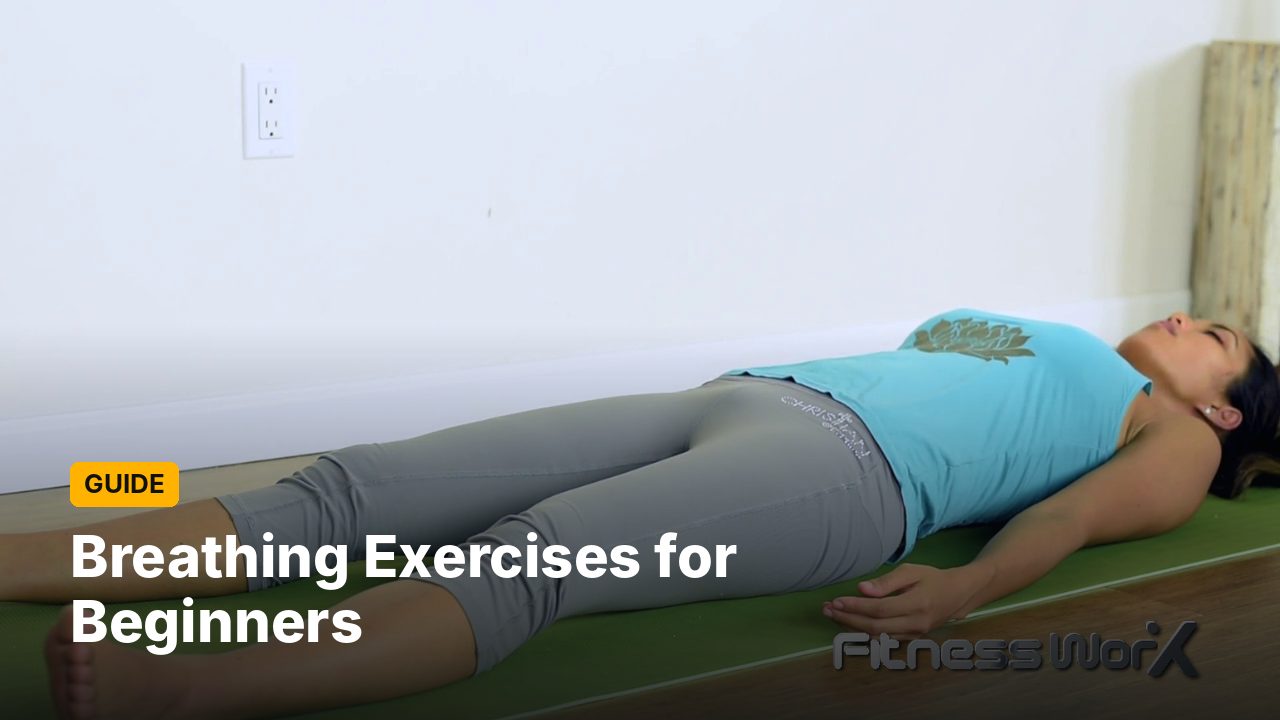
Find a position where your chest and belly can move freely. Sitting upright on a chair with both feet on the floor works well. You can also sit on a cushion or lie on your back with your knees bent.
Loosen anything tight around your waist and let your shoulders drop. Rest your hands on your thighs or your belly. Close your eyes if that feels comfortable, or let your gaze rest softly on the floor.
Before you change anything, take a few normal breaths and just notice them. Are they fast or slow? Do they move your chest, your belly or both? This short check gives you something to compare with afterwards.
The 5 Techniques
1. Belly Breathing
Belly breathing, also called diaphragmatic breathing, is the base for most other techniques. It teaches you to breathe low and slow instead of high in the chest. It is a good first choice if you tend to breathe fast when you are tense.
- Lie on your back with your knees bent, or sit tall. Place one hand on your chest and one on your belly.
- Breathe in gently through your nose. Let your belly rise into your hand while your chest stays fairly still.
- Breathe out slowly through your nose or softly parted lips. Feel your belly sink back down.
- Keep going for two to five minutes. If your mind wanders, bring it back to the feeling of your hand moving.
2. Long Slow Deep Breathing
This technique comes from Kundalini yoga. It builds on belly breathing by filling the lungs more fully, from the belly up to the chest, and then emptying them slowly. Many people use it to unwind after a busy day.
Breathe in through your nose and let your belly expand first, then your ribs, then your upper chest. Breathe out slowly in the reverse order. Aim for a smooth, unhurried rhythm rather than the biggest breath you can take. Our full guide to long slow deep breathing covers posture and timing in more detail.
3. 4-4 Equal Breathing
Equal breathing gives your mind something simple to follow: a count. You breathe in for a count of four and out for a count of four. The steady rhythm can help when your thoughts are racing.
- Sit tall and breathe normally for a few breaths.
- Breathe in through your nose while you count slowly to four in your head.
- Breathe out through your nose for the same count of four.
- Repeat for two to five minutes. If four feels too long, use a count of three. If it feels too short, try five.
4. Alternate Nostril Breathing
Here you breathe through one nostril at a time, switching sides as you go. The hand movement and the side-to-side pattern keep your attention busy, which many people find settling. Try it when your nose is clear.
- Sit tall. Rest your left hand in your lap and bring your right hand up to your face.
- Gently close your right nostril with your right thumb. Breathe in slowly through your left nostril.
- Close your left nostril with your ring finger and release your thumb. Breathe out through your right nostril.
- Breathe in through the right side, then close it and breathe out through the left. That is one round.
- Do five to ten slow rounds, then rest your hand and breathe normally through both nostrils.
5. Cooling Breath
Cooling breath, known in yoga as Sitali, draws air in over a curled tongue. The air feels cool as it comes in, which many people enjoy on a warm day or after exercise. Not everyone can curl their tongue, and that is fine.
Curl the sides of your tongue up into a tube and let the tip poke out a little between your lips. Breathe in slowly through the tube, then close your mouth and breathe out through your nose. If you cannot curl your tongue, rest your teeth lightly together, part your lips and breathe in through the gaps between your teeth instead. Do six to eight breaths, then return to normal breathing.
Which Technique to Use When
All five can be used at any time, but each one suits some moments better than others. Use this table as a starting point and adjust it to what works for you.
| Technique | Good for | Time to start with |
|---|---|---|
| Belly breathing | Learning to breathe low; winding down in bed | 2 to 5 minutes |
| Long slow deep breathing | Relaxing after work or before yoga | 3 minutes |
| 4-4 equal breathing | Busy thoughts; a short reset at your desk | 2 to 5 minutes |
| Alternate nostril breathing | Feeling more settled and focused | 5 to 10 rounds |
| Cooling breath | Hot days; cooling down after exercise | 6 to 8 breaths |
Building a Daily Breathing Habit
Breathing exercises work best as a regular habit rather than an emergency tool. When you have practised a technique on calm days, it is much easier to use when you feel stressed.
- Attach it to a daily cue. Practise right after you wake up, before your first meal or as soon as you get into bed.
- Pair it with movement. A few minutes of breathing makes a good start or finish to a short home yoga practice.
- Use a timer. A gentle timer stops you checking the clock. Our breathing timer below can pace each breath for you.
- Stay with one technique for a week. This gives you time to notice how it really affects you.
If you enjoy the Kundalini techniques, our guide to Kundalini yoga explains how breathing fits into that style. For how breathing fits into yoga more broadly, see our yoga for beginners guide.
Who Should Be Careful
These techniques are gentle and suit most people. Still, changing how you breathe can make some people feel light-headed, especially at first. Keep your breathing soft and never force a bigger breath than feels easy.
Stop or check with your doctor if...
- You feel dizzy, tingly or faint: stop, breathe normally and rest until it passes. Next time, breathe a little less deeply.
- You have asthma, COPD or another lung condition: ask your doctor or nurse which techniques suit you, and keep your inhaler close.
- You have a heart condition: talk to your doctor before you start any new breathing practice.
- You are pregnant: keep breathing slow and easy, avoid lying flat on your back later in pregnancy, and ask your midwife if unsure.
- Your nose is blocked: skip alternate nostril breathing until it clears.
- Cold air triggers your chest: skip cooling breath in cold weather.
- Breathing exercises make you feel more anxious: stop and try a simpler one, such as normal breathing while you count.
Free tool
Breathing Exercise Timer
Follow a calm on-screen guide that paces each in-breath and out-breath for you.
Yoga
Practice with a guided session
Pick your time and level and follow a yoga session with a video for every pose.
FAQ
What is the easiest breathing exercise for beginners?
Belly breathing is usually the easiest. You just breathe slowly so that your belly rises and falls. Once that feels natural, 4-4 equal breathing is a simple next step.
How long should I do breathing exercises each day?
Two to five minutes is plenty to begin with. Some people build up to ten minutes over a few weeks. A short daily session tends to help more than a long one now and then.
Is it normal to feel dizzy during breathing exercises?
Mild light-headedness can happen if you breathe too deeply or too fast. Stop, breathe normally and rest. If dizziness keeps happening or comes with chest pain, speak to a doctor.
This page is for general information and relaxation, not medical or mental health care. If you feel lightheaded, dizzy or uncomfortable, stop and breathe normally. Check with your doctor first if you have a heart, lung or blood pressure condition, or are pregnant.