“Antioxidant” appears on food labels, supplement bottles and skincare products. But what are antioxidants, what do they actually do in your body, and do you need to take them as pills? Here’s a plain-English guide to free radicals, antioxidants and the foods that provide them.
Key takeaways
- Free radicals are unstable molecules made during normal metabolism and from things like smoking and pollution.
- Antioxidants neutralise free radicals. Your body makes some, and you get others from food.
- Antioxidant-rich foods (fruit, vegetables, nuts, beans, whole grains, tea) are linked with better health.
- High-dose antioxidant supplements haven’t matched those benefits in trials, and some can cause harm. Food first.
What are free radicals?
Free radicals are molecules with an unpaired electron, which makes them unstable and reactive. To stabilise themselves, they take electrons from nearby molecules such as fats in cell membranes, proteins and DNA, potentially damaging them. This chain reaction is called oxidation.
Free radicals aren’t all bad. Your body produces them during normal metabolism and exercise, and your immune cells use them deliberately to destroy bacteria. Problems start when production outpaces your body’s defences, a state called oxidative stress, which is associated with ageing and with conditions such as heart disease, some cancers and eye diseases.
What increases free radicals?
- Smoking and second-hand smoke
- Air pollution
- Excess UV exposure from the sun
- Heavy alcohol use
- Diets high in ultra-processed foods and low in fruit and vegetables
- Chronic inflammation and some illnesses
What are antioxidants?
Antioxidants are substances that can give up an electron to a free radical without becoming unstable themselves, stopping the chain reaction. Your body makes its own antioxidant enzymes, and food provides many more.
| Antioxidant | Good food sources |
|---|---|
| Vitamin C | Citrus, kiwi, berries, peppers, broccoli, tomatoes |
| Vitamin E | Nuts, seeds, sunflower and olive oil, avocado, spinach |
| Beta-carotene and other carotenoids | Carrots, sweet potatoes, squash, leafy greens, mango |
| Lycopene | Tomatoes (especially cooked), watermelon, pink grapefruit |
| Lutein and zeaxanthin | Kale, spinach, eggs, corn |
| Selenium (supports antioxidant enzymes) | Brazil nuts, fish, eggs, whole grains |
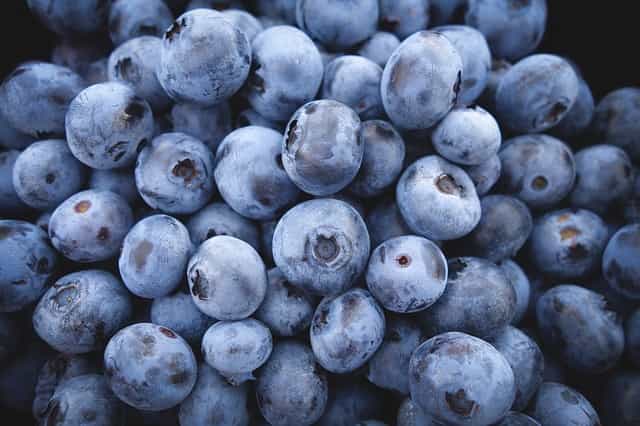
| Polyphenols and flavonoids | Berries, apples, onions, tea, coffee, cocoa, beans, red grapes |
Food vs supplements
People who eat plenty of fruit, vegetables, whole grains and nuts tend to have lower rates of heart disease and some cancers. It’s tempting to think pills containing the same antioxidants would do the same, but large trials have mostly found that high-dose antioxidant supplements don’t prevent these diseases, and some have shown harm. For example, beta-carotene supplements increased lung cancer risk in smokers in large trials, and high-dose vitamin E has been linked with other risks.
Whole foods provide hundreds of compounds plus fibre that work together, which isolated supplements can’t replicate. Supplements make sense if a doctor finds a specific deficiency.
How to eat more antioxidants
- Eat the rainbow: aim for several different colours of fruit and vegetables each day.
- Add berries to breakfast and snacks.
- Swap refined grains for whole grains and add beans or lentils a few times a week.
- Snack on a handful of nuts. One or two Brazil nuts covers your daily selenium.
- Drink tea or coffee in moderation; both are major polyphenol sources.
- Cook tomatoes with a little olive oil to boost lycopene absorption.
Free tool
Fiber Intake Calculator — antioxidant-rich foods are usually high in fibre too; see how close you are to your daily target.
Antioxidants and exercise
Exercise temporarily increases free radicals, and that’s part of how training makes you fitter: the stress signals your body to strengthen its own antioxidant defences. Some studies suggest very high-dose vitamin C and E supplements around training may blunt these adaptations. A diet rich in fruit and vegetables is the better approach for active people.
Read more in superfoods and foods for your immune system.
Frequently asked questions
Are antioxidant supplements a good idea?
For most healthy people, no. Food sources are linked with benefits that supplements haven’t matched, and high doses can cause harm. Talk to your doctor before taking them.
Which foods have the most antioxidants?
Berries, dark leafy greens, beans, nuts, dark chocolate, tea, coffee and colourful vegetables are among the richest everyday sources.
Do antioxidants slow ageing?
A diet rich in antioxidant foods is linked with healthier ageing, but no supplement has been shown to slow ageing itself.
This article is for general information and isn’t a substitute for advice from your doctor or another qualified health professional. Check with them before starting a new exercise or eating plan, especially if you have a health condition, are pregnant or take medication.