Jogging is one of the simplest ways to get fitter: it costs almost nothing, you can do it from your front door, and it strengthens your heart, lungs, legs and bones at the same time. Yet most new joggers quit within a few weeks. Not because jogging is too hard, but because they start too fast, do too much and never let their body adapt.
This guide shows you how to start the way coaches start beginners: slowly, with walk breaks, at an easy effort you can hold a conversation at. Follow it for eight weeks and you can expect to jog for 30 minutes without stopping.
Key takeaways
- Start with run–walk intervals, not continuous running. Your heart and lungs adapt in weeks; tendons and joints take longer.
- Run at a conversational pace, roughly 60–70% of your maximum heart rate. If you can’t speak in full sentences, slow down.
- Three sessions a week with a rest day between them is enough to improve steadily.
- Increase your total running time by about 10% a week, and repeat a week whenever it felt hard.
Why start with jogging?
Regular jogging is linked with lower blood pressure, better cholesterol, improved blood sugar control, stronger bones and better mood and sleep. Health guidelines recommend at least 150 minutes of moderate activity or 75 minutes of vigorous activity a week, and a few short jogs plus some walking cover that comfortably.
It’s also flexible. You don’t need a gym, a class schedule or a partner, and an easy 20-minute jog fits into a lunch break.
The biggest beginner mistake: going too fast
Almost everyone starts by running as fast as they comfortably can, gets out of breath after five to ten minutes and feels terrible. Do that a few days in a row and it’s no surprise people quit.
Speed isn’t what builds your base. Time on your feet at an easy effort is. Easy running trains your heart to pump more blood per beat, grows the tiny blood vessels that feed your muscles and teaches your body to burn fat for fuel. A slow mile you finish feeling good does more for a beginner than a fast mile that leaves you wrecked.
How to find your easy pace
- The talk test. You should be able to say a full sentence without gasping. If you can only manage a few words, walk until your breathing settles.
- Heart rate. Aim for roughly 60–70% of your maximum heart rate. A quick estimate of maximum heart rate is 220 minus your age, so a 40-year-old’s easy zone is about 108–126 beats per minute.
- Perceived effort. On a 1–10 scale, easy running should feel like a 4 or 5.
Free tool
Heart Rate Zone Calculator — find your easy, tempo and hard zones from your age and resting heart rate.
Your 8-week run–walk plan
Do three sessions a week, for example Monday, Wednesday and Saturday. Start every session with a five-minute brisk walk and finish with a five-minute walk. Each block below is repeated for the number of rounds shown.
| Week | Each session | Total jogging |
|---|---|---|
| 1 | Jog 1 min, walk 2 min × 8 | 8 min |
| 2 | Jog 2 min, walk 2 min × 6 | 12 min |
| 3 | Jog 3 min, walk 2 min × 5 | 15 min |
| 4 | Jog 5 min, walk 2 min × 4 | 20 min |
| 5 | Jog 8 min, walk 2 min × 3 | 24 min |
| 6 | Jog 10 min, walk 1 min × 3 | 30 min |
| 7 | Jog 15 min, walk 1 min × 2 | 30 min |
| 8 | Jog 30 min continuously | 30 min |
If a week feels too hard, repeat it. There’s no prize for finishing in exactly eight weeks, and repeating a week is far better than an injury that stops you for a month.
Free tool
Interval Timer — set your jog and walk times once and it beeps you through every round, hands-free.
Gear: what you actually need
- Running shoes that feel comfortable. Comfort is the best guide. If you can, try a few pairs at a running store and jog a few steps in each.
- Moisture-wicking clothes. Cotton holds sweat and rubs; technical fabrics stay lighter.
- A way to time intervals. A phone, a cheap watch or our free interval timer.
- Optional: a heart rate monitor. Helpful for keeping easy runs easy, but the talk test works just as well.
Good jogging form in five cues
- Stand tall. Run with a slight forward lean from the ankles, not by bending at the waist.
- Short, quick steps. Land with your foot roughly under your body rather than reaching out in front. Overstriding is a common cause of shin and knee pain.
- Relaxed upper body. Shoulders down, hands loose, arms swinging forward and back rather than across your chest.
- Look ahead, about 10–20 metres in front of you, not at your feet.
- Breathe naturally. In through your nose and mouth. If you need to gasp, you’re going too fast.
Warm up, cool down and recover
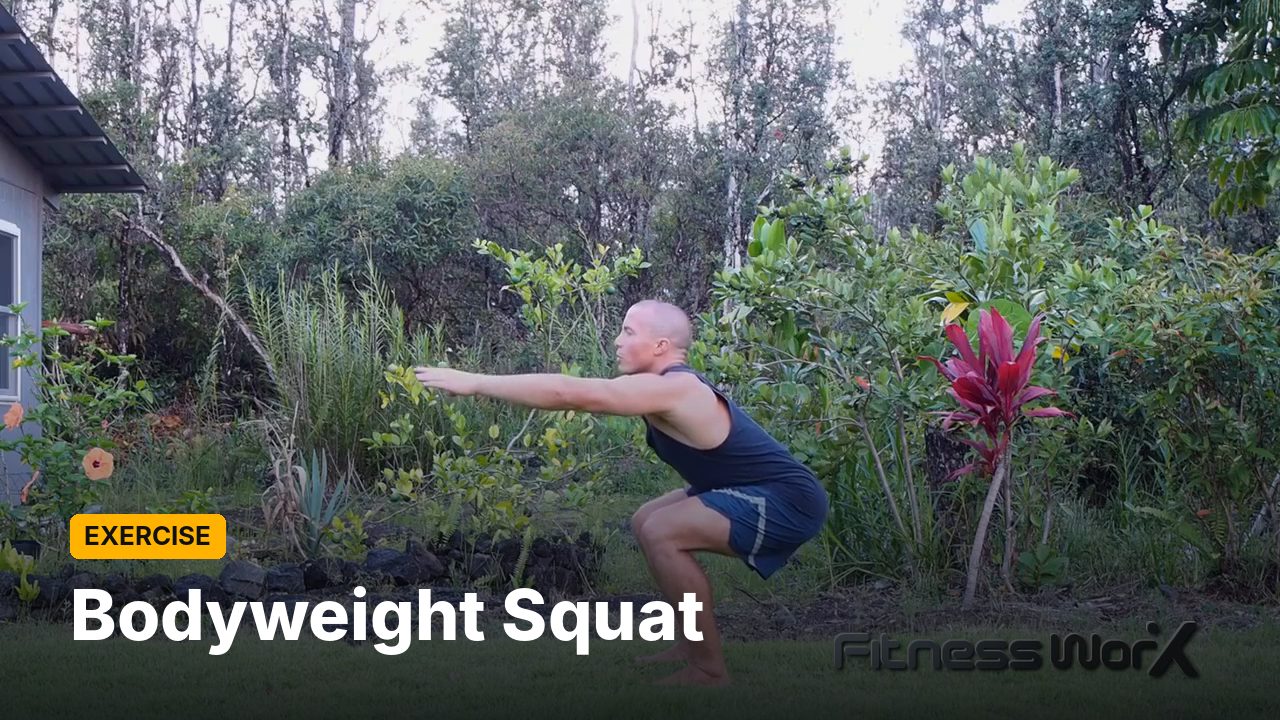
A brisk five-minute walk is the simplest warm-up. Add a few leg swings, bodyweight squats and high knees if you like. Afterwards, walk for five minutes and stretch your calves, hamstrings, quads and hips while you’re warm.
Free tool
Warm-Up Generator — builds a 3–10 minute running warm-up with demo videos for each move.
Rest days matter as much as running days. That’s when your muscles, tendons and bones adapt. On rest days, walking, cycling, swimming or yoga keep you moving without adding running stress.
Staying injury-free
- Follow the 10% rule: increase your weekly running time by no more than about 10%.
- Mix your surfaces where you can. Grass, trails and tracks are kinder than concrete.
- Strengthen your legs and hips twice a week with squats, lunges, glute bridges and calf raises. Stronger muscles protect your joints.
- Listen to sharp pain. General muscle soreness is normal; sharp, localised or worsening pain isn’t. Rest, and see a professional if it doesn’t settle within a few days.
Track your progress
Write down each session: how long you ran, how it felt and any aches. After a few weeks you’ll see your easy pace getting faster at the same heart rate, which is the clearest sign your fitness is improving.
Free tool
Running Pace Calculator — turn your time and distance into pace and splits, so you can see your progress week to week.
Frequently asked questions
How often should a beginner jog?
Three times a week is ideal. It gives you enough practice to improve and enough rest days for your body to adapt. Once you can jog 30 minutes comfortably, you can add a fourth session.
Is it OK to walk during a run?
Yes. Walk breaks are a proven way to build up safely, and many experienced runners use them in long races. Walking isn’t failing; it’s training.
How long until jogging gets easier?
Most beginners notice a real difference within three to four weeks of consistent training. Breathing settles first; legs take a little longer.
Will jogging help me lose weight?
Jogging burns a lot of calories for the time it takes, but weight loss depends mostly on your overall diet. Pairing regular jogging with a modest calorie deficit works best.
Should I jog every day?
Not as a beginner. Your heart and lungs adapt faster than your bones and tendons, and daily running is a common route to overuse injuries. Use rest days for walking or cross-training.
Free tool
Calories Burned Calculator — see roughly how many calories your jogs burn for your weight and pace.
This article is for general information and isn’t a substitute for advice from your doctor or another qualified health professional. Check with them before starting a new exercise or eating plan, especially if you have a health condition, are pregnant or take medication.